Classic Spaghetti Bolognese Recipe
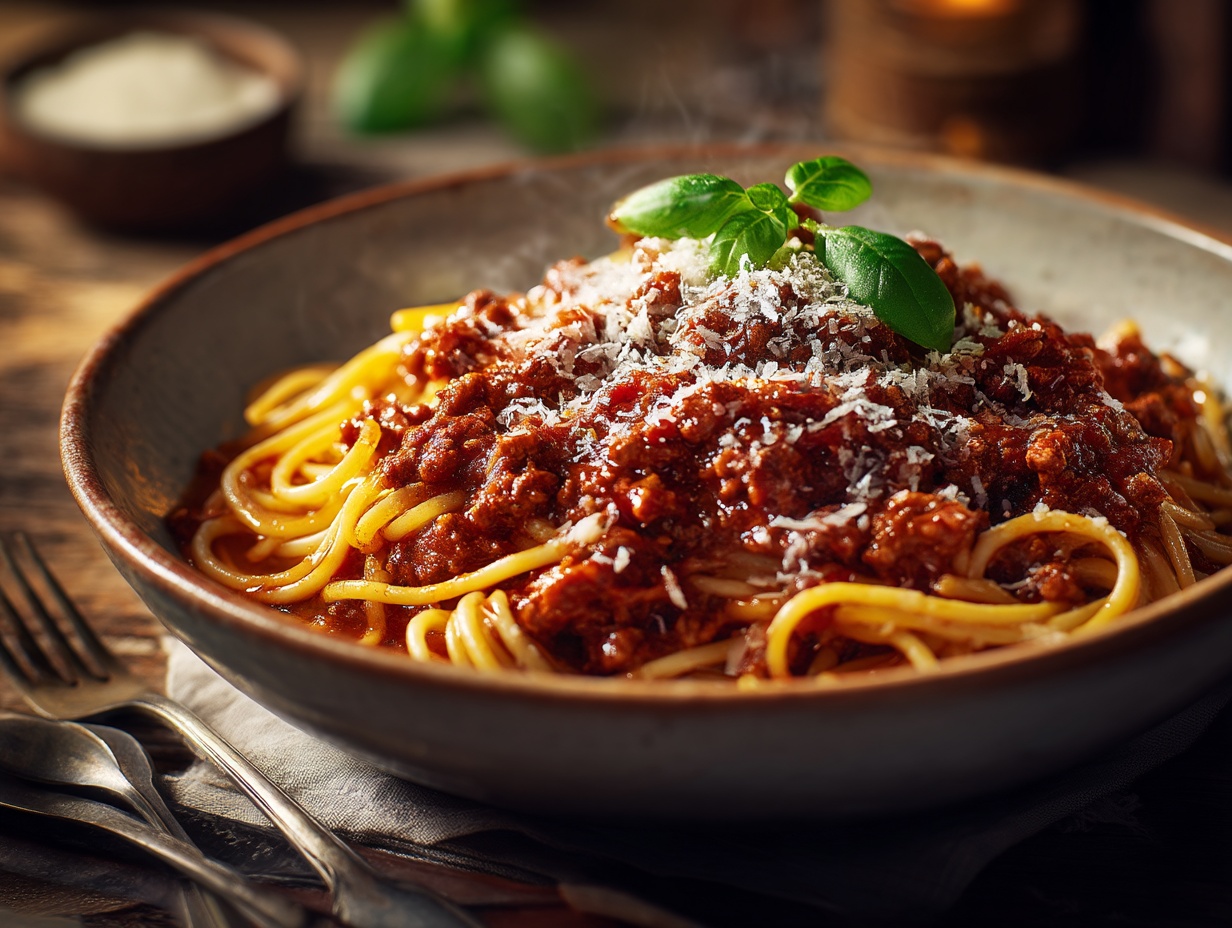
Spaghetti Bolognese is one of those dishes that never goes out of style. It’s comfort food at its finest-rich, savory, and deeply satisfying. This Italian-inspired classic combines tender pasta with a robust meat sauce that’s bursting with flavor.
The beauty of this recipe lies in its simplicity; you don’t need fancy ingredients or advanced cooking skills to create something restaurant-quality in your own kitchen. With just a handful of pantry staples and about 30 minutes, you’ll have a steaming bowl of pure deliciousness ready to serve. Perfect for weeknight dinners, family gatherings, or when you simply want to treat yourself to something warm and comforting.
Nutrition Facts
Per 100g of cooked spaghetti Bolognese (without cheese):
- Calories: 145 kcal
- Protein: 8.5g
- Carbohydrates: 18g
- Fat: 4.2g
- Fiber: 2g
- Sodium: 380mg
*Note: Values may vary depending on the specific ingredients used and portion ratios.*
Ingredients
- 400g ground beef (or a mix of beef and pork)
- 400g spaghetti
- 1 onion, finely diced
- 3 cloves garlic, minced
- 800g canned crushed tomatoes
- 2 tablespoons tomato paste
- 2 tablespoons olive oil
- 1 teaspoon dried oregano
- Salt and pepper to taste
Step-by-Step Instructions
1. Prepare your mise en place
Before you start cooking, gather all your ingredients and prepare them. Dice the onion into small, uniform pieces, mince the garlic, and have your canned tomatoes and tomato paste ready. This step might seem simple, but having everything prepped and organized will make the cooking process smooth and stress-free. It’s also a great safety practice since you won’t be scrambling around while the pan is hot.
2. Heat the oil and sauté the aromatics
Pour the olive oil into a large, heavy-bottomed pan over medium heat. Once the oil shimmers, add your diced onion and cook for about 3-4 minutes, stirring occasionally, until the onion becomes translucent and fragrant. This is called building your flavor base. Add the minced garlic and continue cooking for another minute. Don’t let the garlic brown; you want it to release its aromatic oils without becoming bitter.
3. Brown the ground meat
Increase the heat to medium-high and add the ground beef to the pan. Use a wooden spoon or spatula to break up the meat as it cooks, ensuring no large lumps remain. Cook for 5-7 minutes until the meat is completely browned and any excess liquid has evaporated. This step is crucial because it develops the rich, savory flavors that make Bolognese so delicious. You’re not just cooking the meat; you’re building depth of flavor through the browning process.
4. Add tomato paste and deglaze
Stir in the tomato paste and cook it with the meat for about 2 minutes, stirring constantly. This concentrates the tomato flavor and removes the raw taste. If the pan seems dry, add a splash of water. This technique, called blooming the tomato paste, intensifies its natural umami and sweetness.
5. Pour in the crushed tomatoes
Add the canned crushed tomatoes to the pan, stirring well to combine everything. Scrape up any browned bits stuck to the bottom of the pan-these are packed with flavor. Add the dried oregano, and season with salt and pepper to taste. Start with half a teaspoon of salt and adjust as needed.
6. Simmer the sauce
Reduce the heat to low and let the sauce simmer for 15-20 minutes. This allows the flavors to meld together beautifully and the sauce to thicken slightly. Stir occasionally to prevent sticking. The longer the sauce simmers, the richer and more developed the flavors become. For an even deeper flavor, you can simmer for up to 30 minutes.
7. Cook the spaghetti
While the sauce simmers, bring a large pot of salted water to a rolling boil. Add the spaghetti and cook according to package directions, usually 8-10 minutes, until it reaches al dente texture-tender but still with a slight firmness when bitten. Reserve about a cup of pasta water before draining. This starchy water is liquid gold for adjusting your sauce consistency.
8. Combine and finish
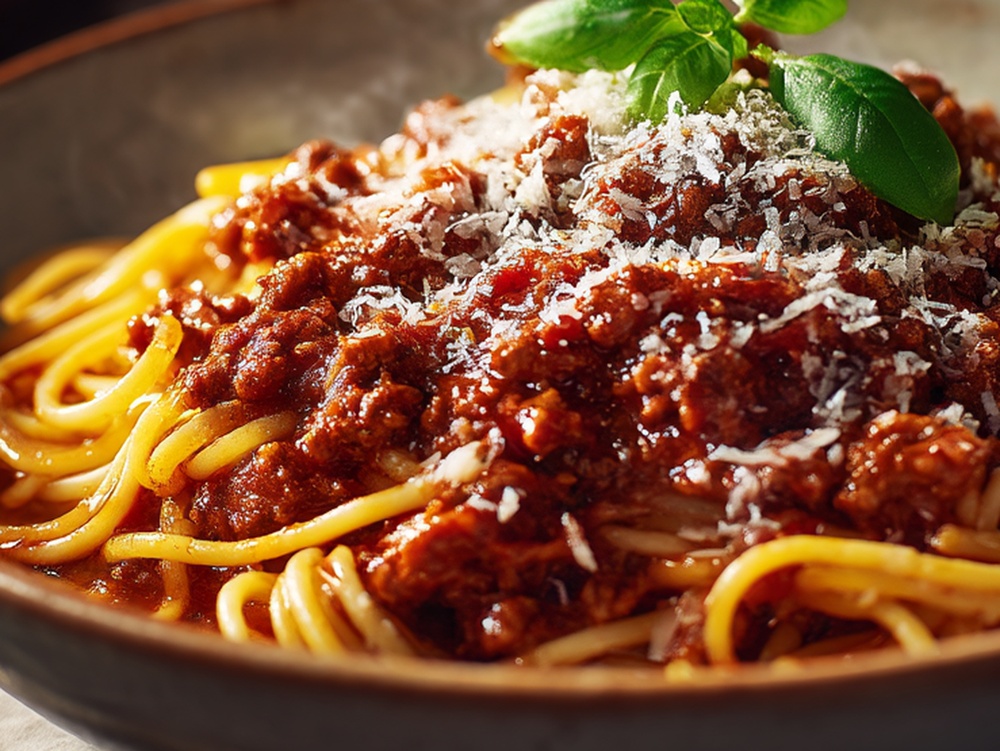
Divide the cooked spaghetti among serving bowls or plates. Ladle the warm Bolognese sauce generously over the top. If the sauce seems too thick, add a splash of reserved pasta water to loosen it. Toss gently to coat the pasta evenly.
Tips for Variations or Side Dishes
Meat variations: Try a combination of ground beef and ground pork for added depth, or use ground veal for a more delicate flavor profile.
Vegetable additions: For extra nutrition, finely dice mushrooms, bell peppers, or carrots and add them when sautéing the onions.
Herb upgrades: Fresh basil added at the end provides brightness, while a pinch of red pepper flakes adds subtle heat.
Rich finish: A splash of red wine added after browning the meat develops complexity, and a touch of heavy cream swirled in at the end creates a silky finish.
Serving companions: Serve alongside garlic bread for soaking up sauce, a crisp green salad for freshness, or roasted vegetables for added nutrition.
Serving Suggestions
Present your spaghetti Bolognese in wide, shallow bowls to showcase the beautiful sauce and pasta together. Finish each bowl with freshly grated Parmesan cheese and a small basil leaf if you have it. A light sprinkle of freshly cracked black pepper adds visual appeal and extra flavor. Serve immediately while the pasta is hot and the sauce is piping warm. Pair with a crisp white wine like Pinot Grigio or a medium-bodied red like Chianti for an authentic Italian experience. This dish is perfect for casual family dinners, but it’s also elegant enough for entertaining guests when plated thoughtfully.
FAQ
1. Can I make this sauce ahead of time?
Absolutely! Spaghetti Bolognese sauce actually tastes better the next day as the flavors continue to develop. Make the sauce up to 3 days in advance and store it in an airtight container in the refrigerator. You can also freeze it for up to 3 months. Simply reheat gently on the stovetop or in the microwave, then cook fresh pasta to serve with it.
2. What’s the difference between Bolognese and marinara sauce?
Marinara is a simple tomato sauce made with tomatoes, garlic, and herbs, while Bolognese is a meat-based sauce with a longer cooking time and deeper flavor. Bolognese contains ground meat as its main ingredient and typically simmers much longer to develop rich, complex flavors. Marinara is lighter and faster to prepare.
3. Can I use ground turkey or chicken instead of beef?
Yes, you can! Ground turkey and chicken will produce a lighter sauce with less fat. Use the same quantity and follow the same cooking method. Keep in mind that poultry has less fat, so the sauce won’t be quite as rich. You might want to add an extra tablespoon of olive oil or a small splash of cream to compensate.
4. How do I know if my sauce is thick enough?
The sauce should coat the back of a spoon and slowly drip off. If it’s too thin, let it simmer uncovered for another 10-15 minutes to reduce and thicken. If it’s too thick, add pasta water or a bit of beef broth to loosen it. Remember, the sauce will continue to thicken slightly as it cools.
5. Is fresh pasta better than dried for this dish?
Both work beautifully! Dried spaghetti is traditional and holds up perfectly to hearty Bolognese sauce. Fresh pasta has a silkier texture and lighter feel, which some prefer. Choose based on your preference and what you have available. The sauce is really the star of this dish, regardless of the pasta type.