Classic Roast Turkey with Herb Butter
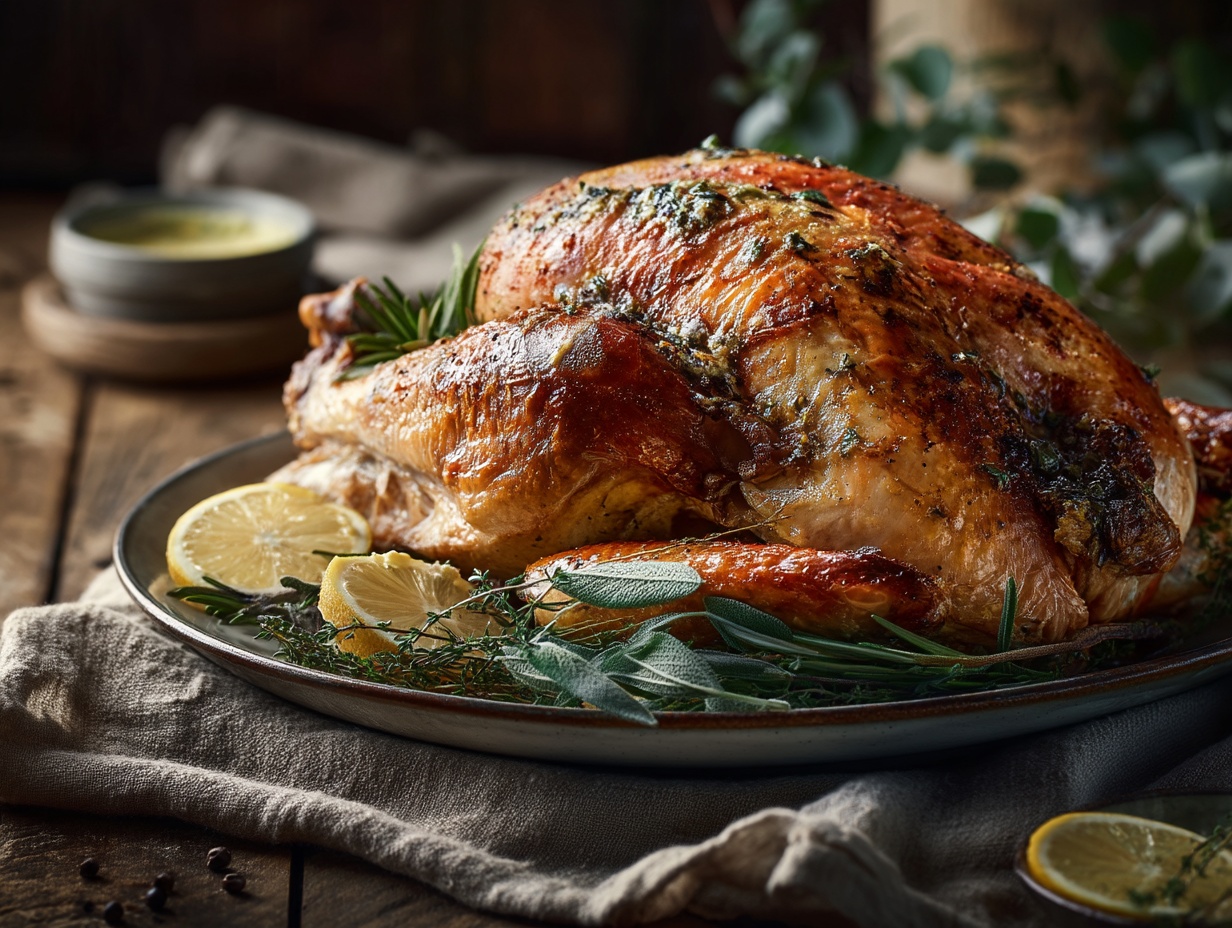
There’s something undeniably special about a perfectly roasted turkey emerging from the oven, its skin glistening and golden brown. This classic roast turkey recipe delivers juicy, flavorful meat every single time without requiring culinary school training. The secret lies in a simple herb butter that keeps the meat moist while creating that irresistible crispy skin everyone fights over.
You’ll be amazed at how straightforward this process actually is. This recipe is perfect for holiday gatherings, Sunday dinners, or any occasion that calls for an impressive centerpiece. With just a handful of ingredients and minimal prep work, you’ll achieve restaurant-quality results in your own kitchen.
Nutrition Facts
Per 100g of roasted turkey breast (without skin):
- Calories: 157 kcal
- Protein: 29.9 g
- Carbohydrates: 0 g
- Fat: 3.2 g
*Note: Nutritional values may vary slightly depending on the cut of meat and whether skin is consumed. Dark meat contains slightly more fat and calories than white meat.*
Ingredients
- 1 whole turkey (4-5 kg / 9-11 lbs)
- 150 g unsalted butter, softened
- 4 cloves garlic, minced
- 2 tablespoons fresh rosemary, finely chopped
- 2 tablespoons fresh thyme leaves
- 1 large lemon
- 2 teaspoons salt
- 1 teaspoon black pepper
- 500 ml chicken stock
Step-by-Step Instructions
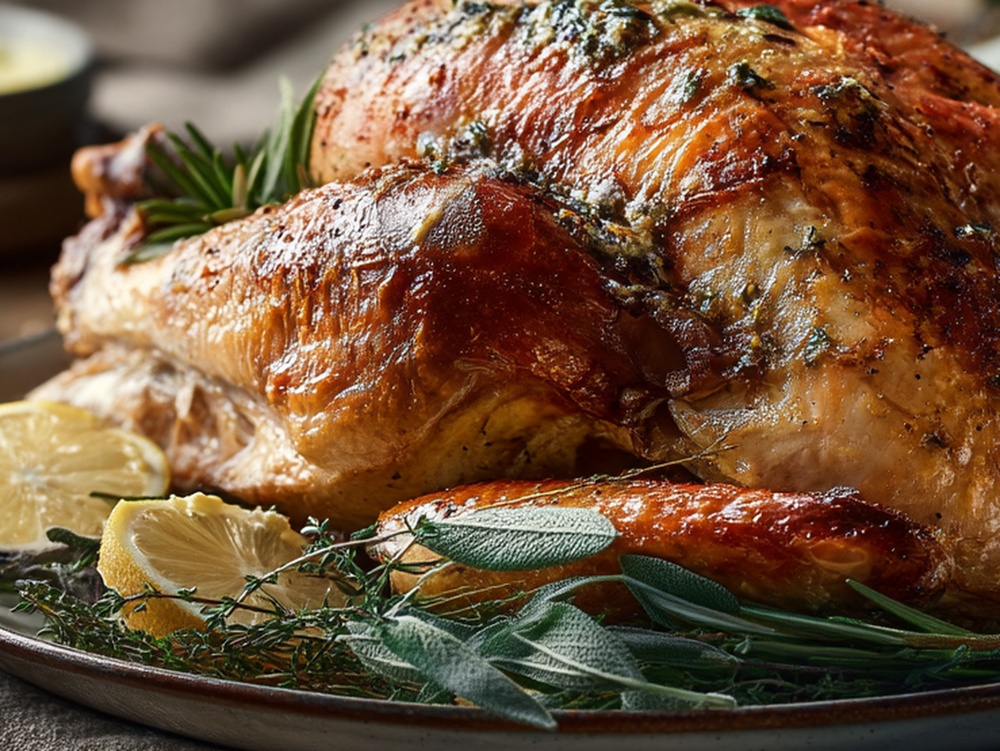
1. Prepare the turkey
Remove your turkey from the refrigerator about one hour before cooking to bring it to room temperature. This crucial step ensures even cooking throughout the bird.
Pat the entire turkey completely dry with paper towels, inside and out. A dry surface is essential for achieving that coveted crispy, golden skin.
2. Preheat the oven
Set your oven to 220°C (425°F) and position the rack in the lower third of the oven. This high initial temperature will help create beautifully browned skin.
Make sure your roasting pan with a rack is ready to go. The rack elevates the turkey, allowing hot air to circulate underneath for even cooking.
3. Make the herb butter
In a medium bowl, combine the softened butter with minced garlic, chopped rosemary, and thyme leaves. Mix thoroughly until all herbs are evenly distributed throughout the butter.
Add half a teaspoon of salt and half a teaspoon of pepper to the butter mixture. This flavored butter will infuse the meat with incredible taste while keeping it wonderfully moist.
4. Season the turkey
Carefully loosen the skin over the turkey breast by sliding your fingers underneath, creating pockets without tearing the skin. Take about two-thirds of the herb butter and spread it directly onto the meat under the skin.
Rub the remaining herb butter all over the outside of the turkey. Season the entire bird generously with the remaining salt and pepper.
5. Add aromatics
Cut the lemon into quarters and place them inside the turkey cavity. The lemon adds subtle brightness to the meat and helps keep it moist during roasting.
If you have leftover herb stems from your rosemary and thyme, toss those into the cavity as well. These aromatics will perfume the meat from the inside out.
6. Truss the turkey
Tuck the wing tips underneath the turkey to prevent them from burning. Using kitchen twine, tie the legs together loosely.
This simple trussing helps the turkey cook more evenly and gives it that classic, beautiful presentation. Don’t worry about perfect technique-just secure the legs together.
7. Begin roasting
Place the turkey breast-side up on the rack in your roasting pan. Pour the chicken stock into the bottom of the pan to keep the drippings from burning.
Roast at 220°C (425°F) for 30 minutes. This initial blast of high heat starts the browning process and seals in juices.
8. Lower the temperature and continue cooking
After 30 minutes, reduce the oven temperature to 170°C (325°F). Continue roasting for approximately 2.5 to 3 hours, depending on the size of your bird.
A general rule is about 13 minutes per 500g (per pound). Baste the turkey with pan juices every 45 minutes to keep the skin from drying out.
9. Check for doneness
Insert an instant-read thermometer into the thickest part of the thigh without touching bone. The turkey is done when it reaches 74°C (165°F).
If the skin is browning too quickly, tent the turkey loosely with aluminum foil. This protects the skin while allowing the meat to continue cooking through.
10. Rest before carving
This step is absolutely essential-transfer the turkey to a cutting board and let it rest for at least 20-30 minutes. Cover loosely with foil to keep it warm.
Resting allows the juices to redistribute throughout the meat. If you carve too soon, all those delicious juices will run out onto the cutting board instead of staying in the meat.
Tips for Variations or Side Dishes
Flavor Variations:
Try swapping the rosemary and thyme for sage and parsley for a more traditional flavor profile. A tablespoon of smoked paprika added to the butter creates a subtle smokiness that’s absolutely divine.
For a Mediterranean twist, use oregano and lemon zest in your herb butter. You can also add a splash of white wine to the roasting pan instead of some of the chicken stock.
Perfect Side Dishes:
Classic mashed potatoes are an obvious choice-they’re perfect for soaking up that delicious gravy. Roasted root vegetables like carrots, parsnips, and Brussels sprouts complement turkey beautifully.
A fresh cranberry sauce adds the perfect tangy-sweet contrast to the savory meat. Green bean casserole or honey-glazed carrots round out the meal nicely.
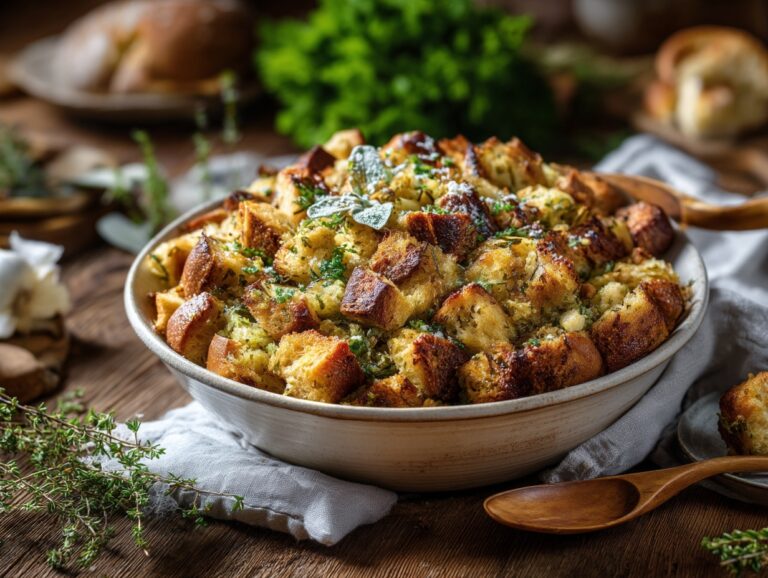
Don’t forget about stuffing or dressing! A simple bread stuffing with celery and onions is always a crowd-pleaser.
Serving Suggestions
Present your turkey on a large platter surrounded by fresh herbs and roasted vegetables for a stunning presentation. This creates an impressive centerpiece that will have your guests reaching for their cameras.
Carve the turkey in the kitchen if you prefer a stress-free serving experience. Arrange the sliced meat on a warm platter to keep it at the perfect temperature.
Make a quick gravy from the pan drippings while the turkey rests. Simply strain the juices, skim off excess fat, and thicken with a flour or cornstarch slurry.
Serve with warm gravy in a gravy boat so guests can help themselves. Have extra napkins available-this is the kind of meal where seconds (and thirds) are expected!
FAQ
1. How do I know what size turkey to buy?
Plan for about 500g (1 pound) of turkey per person, or slightly more if you want leftovers. For a gathering of 8-10 people, a 4-5 kg turkey is ideal.
2. Should I brine the turkey first?
Brining is optional but can enhance moisture and flavor, especially for larger birds. If you choose to brine, do so for 12-24 hours in a salt-water solution, then rinse and pat dry before proceeding with this recipe.
3. Can I prepare the herb butter in advance?
Absolutely! You can make the herb butter up to three days ahead and store it covered in the refrigerator. Just bring it to room temperature before using so it spreads easily under the skin.
4. How should I store leftovers?
Remove all meat from the bones within two hours of cooking and store in airtight containers in the refrigerator. Leftover turkey keeps well for 3-4 days refrigerated or up to 3 months frozen.
5. My turkey skin isn’t getting crispy-what should I do?
Make sure you dried the turkey thoroughly before cooking and that your oven temperature is accurate. In the last 15-20 minutes, you can increase the heat to 200°C (400°F) to crisp up the skin.