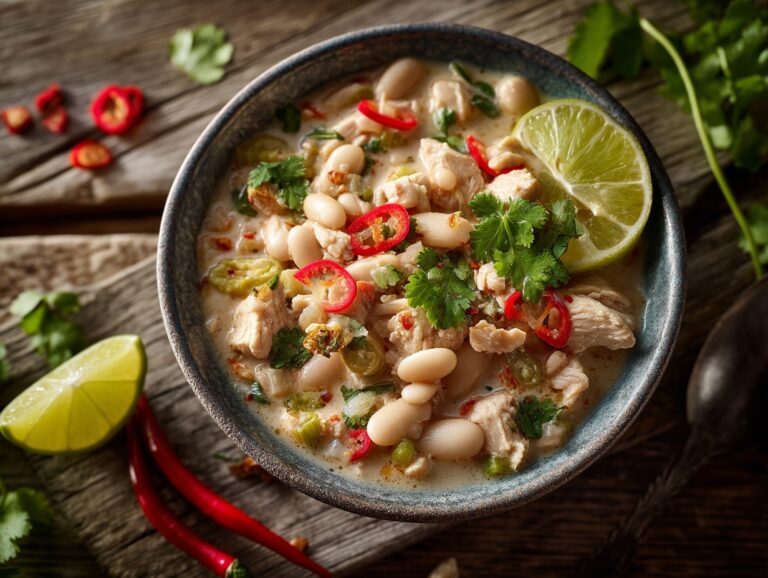
Easy Weeknight Chicken Stir Fry Recipe

Chicken stir fry is the ultimate solution for busy weeknights when you want something delicious without spending hours in the kitchen. This vibrant, colorful dish combines tender chicken with crisp vegetables and a savory sauce that comes together in just 20 minutes.
The beauty of stir fry lies in its versatility-you can customize it with your favorite vegetables and adjust the sauce to match your taste preferences. Once you master this technique, you’ll find yourself making it regularly because it’s so quick, healthy, and absolutely satisfying.
Nutrition Facts
Per 100 grams of this chicken stir fry:
- Calories: 145 kcal
- Protein: 18 g
- Carbohydrates: 8 g
- Fat: 4 g
- Fiber: 2 g
These values make it an excellent choice for those looking for a balanced, protein-rich meal without excessive calories.
Ingredients
- 500 g boneless, skinless chicken breast, cut into bite-sized pieces
- 2 tablespoons vegetable oil
- 1 red bell pepper, sliced into strips
- 1 cup broccoli florets
- 1 medium carrot, julienned
- 2 cloves garlic, minced
- 1 tablespoon fresh ginger, grated
- 3 tablespoons soy sauce
- 1 tablespoon sesame oil
- 1 teaspoon cornstarch mixed with 2 tablespoons water (slurry)
Step-by-Step Instructions

1. Prepare all your ingredients in advance
Before you start cooking, gather and prep all your ingredients. This is called “mise en place” and makes the cooking process smooth and stress-free. Cut the chicken into uniform bite-sized pieces so they cook evenly, and slice your vegetables into similar sizes for consistent texture.
Having everything ready prevents you from scrambling while the pan is heating, which can lead to burnt garlic or overcrowked vegetables.
2. Heat your wok or large skillet over high heat
Place your wok or large skillet on the stove and increase the heat to high. Let it warm for about 1-2 minutes until it’s hot enough that a drop of water sizzles immediately upon contact.
A properly heated wok is essential for achieving that signature stir fry texture-crispy vegetables and tender chicken with a slight char.
3. Add oil and cook the chicken
Pour 1 tablespoon of vegetable oil into the hot wok and swirl to coat evenly. Add the chicken pieces and let them sit undisturbed for 2-3 minutes before stirring, which helps them develop a golden exterior.
Cook the chicken until it’s no longer pink inside, about 5-7 minutes total. Transfer the cooked chicken to a clean plate and set aside.
4. Stir fry the aromatics
Add the remaining tablespoon of oil to the wok and reduce the heat to medium-high. Add the minced garlic and grated ginger, stirring constantly for about 30 seconds until fragrant.
Be careful not to burn the garlic, as it will taste bitter and overpower the dish.
5. Add the harder vegetables first
Start with the carrot slices and broccoli florets, as these take longer to cook. Stir constantly for about 3-4 minutes, tossing the vegetables to coat them with oil and distribute the heat evenly.
The broccoli should begin to turn bright green while the carrots soften slightly.
6. Add the softer vegetables
Next, add the sliced red bell pepper and continue stir frying for another 2 minutes. The peppers should remain somewhat crisp while developing a slightly caramelized edge.
At this point, all your vegetables should be tender-crisp, meaning they retain some bite while being cooked through.
7. Return the chicken and combine
Add the cooked chicken back into the wok with the vegetables, stirring well to combine. Make sure everything is mixed evenly and the chicken is reheated throughout.
8. Add the sauce and cornstarch slurry
Pour in the soy sauce and sesame oil, tossing everything together. Then add your cornstarch slurry and stir constantly for about 1-2 minutes until the sauce thickens and coats all the ingredients.
The sauce should look glossy and coat the back of a spoon.
9. Taste and adjust
Remove the wok from heat and give the stir fry a quick taste. You can add more soy sauce for saltiness, a drizzle of sesame oil for nuttiness, or a squeeze of lime juice for brightness.
Personal preference matters, so don’t hesitate to adjust the flavors to suit your palate.
Tips for Variations or Side Dishes
Protein variations: Try this recipe with shrimp, beef, tofu, or a mix of proteins for different textures and flavors.
Vegetable swaps: Add mushrooms, snap peas, bok choy, green beans, or water chestnuts depending on what’s in your fridge and what you enjoy.
Sauce options: Create different flavor profiles by trying teriyaki sauce, oyster sauce, or a spicy sriracha-based sauce instead of the simple soy-sesame combination.
Side dishes: Serve over steamed white or brown rice, cauliflower rice for a lower-carb option, egg noodles, or crispy chow mein noodles.
Garnish ideas: Top with sesame seeds, sliced green onions, or crushed peanuts for added texture and visual appeal.
Serving Suggestions
Serve your chicken stir fry immediately while it’s hot and the vegetables are still crisp. Plate it over your choice of rice or noodles, creating a well in the center for the sauce to pool.
Garnish generously with sesame seeds and fresh green onions for color and freshness. Pour any extra sauce from the wok over the dish before serving.
For family-style dining, place everything in a central serving dish with rice on the side, allowing everyone to build their own bowls. This is perfect for weeknight dinners because it’s interactive and feels restaurant-quality despite being homemade.
FAQ
1. Can I prep the ingredients the night before?
Absolutely! You can chop all your vegetables and cut the chicken the evening before, storing them in separate airtight containers in the refrigerator. However, avoid cutting the garlic and ginger too far in advance, as they lose potency-prep these just before cooking for the best flavor.
2. What if I don’t have sesame oil on hand?
Sesame oil is flavorful but not absolutely essential. You can replace it with a small amount of additional soy sauce, or simply omit it and use a touch more regular vegetable oil.
The dish will still be delicious, though you’ll miss that distinctive nutty aroma.
3. How can I make this stir fry less salty?
Use low-sodium soy sauce instead of regular soy sauce, and taste the dish before adding additional sauce. You can always add more seasoning, but you cannot remove it once it’s in there.
Start with less soy sauce and adjust to your preference.
4. Can I use frozen vegetables instead of fresh?
Yes, frozen vegetables work well, though they may release more water during cooking. Thaw them first if possible, and pat them dry before adding to the wok to prevent excess moisture.
5. How should I store leftovers?
Store any leftover stir fry in an airtight container in the refrigerator for up to 3-4 days. Reheat gently in a wok or skillet over medium heat, adding a splash of water if needed to prevent sticking.
The texture will be slightly softer than freshly cooked, but it remains delicious and convenient for quick lunches.