Classic Oatmeal Cookies
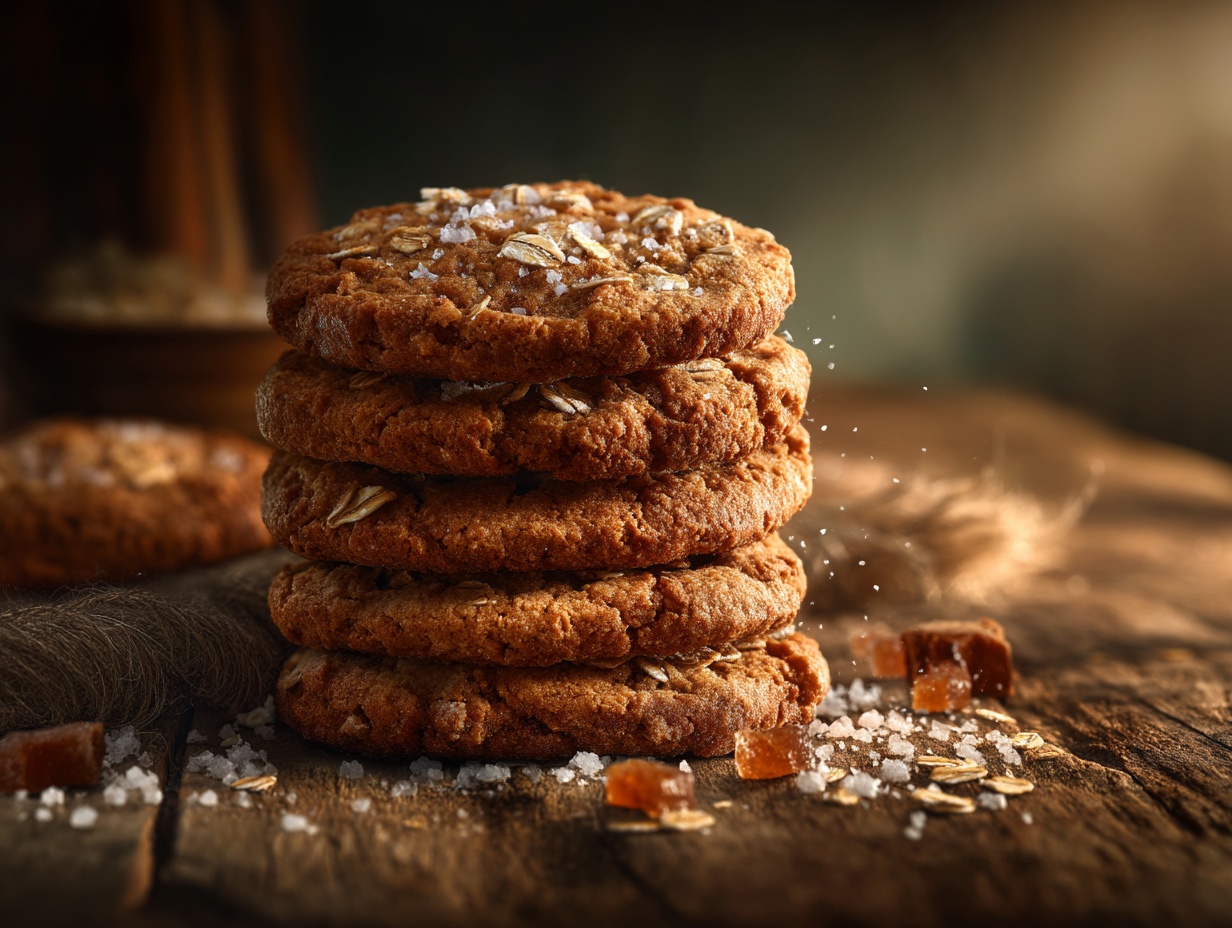
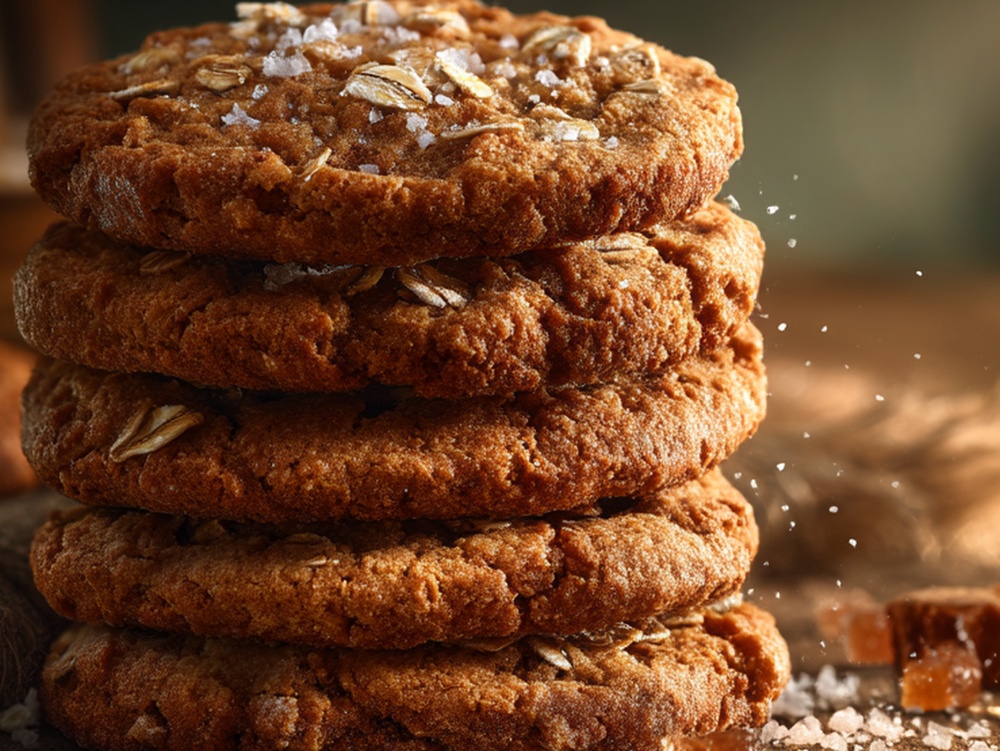
There’s something truly comforting about the aroma of freshly baked oatmeal cookies filling your kitchen. These golden, chewy treats strike the perfect balance between wholesome and indulgent. Oatmeal cookies have been a beloved classic for generations, and for good reason. They’re simple to make, incredibly satisfying, and customizable to your preferences.
This recipe delivers perfectly soft centers with slightly crispy edges every single time. With just 15 minutes of prep and a handful of pantry staples, you’ll have warm, delicious cookies ready to enjoy. The hearty texture from the oats makes these cookies feel like a more substantial treat. Your family and friends will be reaching for seconds before the first batch even cools down.
Nutrition Facts
Per 100 g of oatmeal cookies:
- Calories: 445 kcal
- Protein: 6.2 g
- Carbohydrates: 62 g
- Fat: 19 g
*Note: Nutritional values are approximate and may vary based on specific ingredients used.*
Ingredients
- 150 g rolled oats (old-fashioned, not instant)
- 120 g all-purpose flour
- 115 g unsalted butter, softened
- 100 g brown sugar
- 1 large egg
- 1 teaspoon vanilla extract
- ½ teaspoon baking soda
- ½ teaspoon ground cinnamon
- ¼ teaspoon salt
Step-by-Step Instructions
1. Preheat your oven
Start by preheating your oven to 180°C (350°F). This ensures the oven reaches the proper temperature by the time your cookie dough is ready.
While the oven heats up, line two baking sheets with parchment paper. The parchment prevents sticking and makes cleanup a breeze.
2. Combine the dry ingredients
In a medium bowl, whisk together the flour, baking soda, cinnamon, and salt. Mixing these dry ingredients separately ensures even distribution throughout your cookies.
Set this bowl aside for now. You’ll add these dry ingredients to your butter mixture in a later step.
3. Cream the butter and sugar
In a large mixing bowl, beat the softened butter and brown sugar together until light and fluffy. This should take about 2-3 minutes with an electric mixer on medium speed.
Creaming incorporates air into the mixture, which gives your cookies a lovely texture. Make sure your butter is truly softened at room temperature for the best results.
4. Add the egg and vanilla
Add the egg and vanilla extract to your butter mixture. Beat on medium speed until everything is well combined and smooth.
Scrape down the sides of the bowl with a spatula to ensure no butter clumps remain. The mixture should look creamy and uniform in color.
5. Incorporate the dry ingredients
Gradually add your flour mixture to the wet ingredients. Mix on low speed until just combined-be careful not to overmix.
Overmixing can develop too much gluten and result in tough cookies. Stop mixing as soon as you no longer see streaks of flour.
6. Fold in the oats
Add the rolled oats to your cookie dough. Use a spatula or wooden spoon to fold them in gently until evenly distributed.
The oats should be coated with dough but still visible throughout. This is what gives oatmeal cookies their signature texture and appearance.
7. Shape the cookies
Using a tablespoon or cookie scoop, portion the dough onto your prepared baking sheets. Leave about 5 cm (2 inches) between each cookie to allow for spreading.
Gently flatten each dough ball slightly with your palm or the back of a spoon. This helps the cookies bake more evenly.
8. Bake to golden perfection
Place the baking sheets in your preheated oven and bake for 10-12 minutes. The cookies are done when the edges turn golden brown but the centers still look slightly underdone.
Don’t worry if they seem soft-they’ll firm up as they cool. Remove from the oven and let the cookies rest on the baking sheet for 5 minutes before transferring to a wire rack.
Tips for Variations or Side Dishes
Chocolate Chip Oatmeal Cookies: Fold in 100 g of chocolate chips along with the oats for an extra indulgent treat.
Raisin Oatmeal Cookies: Add 80 g of raisins or dried cranberries for a fruity twist. Soak dried fruit in warm water for 10 minutes first to plump them up.
Nutty Crunch: Mix in 60 g of chopped walnuts, pecans, or almonds for added texture and flavor.
Spiced Version: Increase the cinnamon to 1 teaspoon and add a pinch of nutmeg and ginger for a warming spice blend.
Coconut Oatmeal Cookies: Replace 30 g of oats with shredded coconut for a tropical flavor profile.
Serving Suggestions
These oatmeal cookies are absolutely perfect served slightly warm with a tall glass of cold milk. The contrast of warm cookie and cold milk is pure comfort.
For an afternoon treat, pair them with a cup of hot tea or coffee. The subtle cinnamon notes complement most hot beverages beautifully.
Create an impressive dessert by crumbling these cookies over vanilla ice cream. Add a drizzle of caramel sauce for an elevated sundae experience.
Pack these cookies in a lunch box for a homemade snack that beats any store-bought option. They’re sturdy enough to travel well without crumbling.
For a special presentation, stack the cookies on a pretty plate and dust lightly with powdered sugar. This simple touch makes them look bakery-worthy.
FAQ
1. Can I use quick oats instead of rolled oats?
Yes, you can substitute quick oats, but the texture will be different. Quick oats produce a softer, more uniform cookie while rolled oats give a chewier texture with more visual appeal.
2. How should I store these oatmeal cookies?
Store cooled cookies in an airtight container at room temperature for up to one week. You can also freeze them for up to three months-just thaw at room temperature before serving.
3. Why did my cookies turn out flat?
Flat cookies usually result from butter that was too warm or melted. Make sure your butter is softened but still holds its shape when pressed. Also, check that your baking soda hasn’t expired.
4. Can I make the dough ahead of time?
Absolutely! You can refrigerate the dough for up to 3 days or freeze portioned dough balls for up to 2 months. Chilled dough may need an extra minute or two in the oven.
5. How can I make these cookies chewier?
For chewier cookies, slightly underbake them and let them cool completely on the baking sheet. You can also add an extra egg yolk to the dough, which increases moisture and chewiness.