Pasta Primavera Recipe
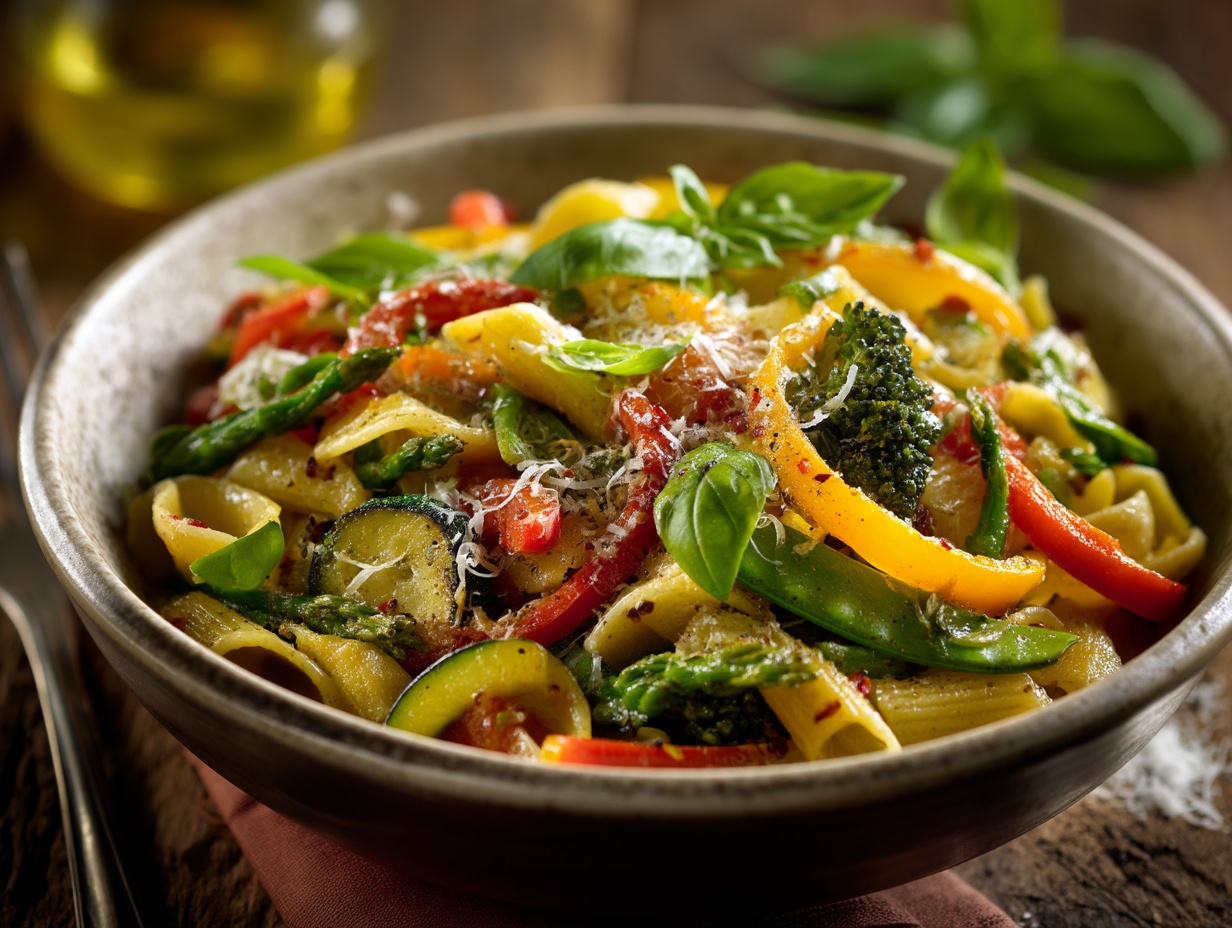
Pasta primavera is one of those magical dishes that proves simplicity and freshness can create something truly extraordinary. This vibrant Italian-inspired pasta celebrates springtime vegetables in their prime, tossed with silky noodles and a light, aromatic sauce that lets each ingredient shine. The beauty of pasta primavera lies in its flexibility and speed. You can have a restaurant-quality meal on your table in under 20 minutes, making it perfect for busy weeknights or when you want to impress guests without spending hours in the kitchen.
The key is using the freshest seasonal vegetables you can find and not overcomplicating the preparation. This dish is naturally vegetarian, packed with nutrients, and absolutely delicious. Every forkful delivers tender pasta, crisp-tender vegetables, and a silky sauce that ties everything together beautifully. You’ll find yourself coming back to this recipe again and again.
Nutrition Facts
Per 100 g of prepared pasta primavera:
- Calories: 145 kcal
- Protein: 5.2 g
- Carbohydrates: 22 g
- Fat: 3.8 g
- Fiber: 2.1 g
*Note: Nutritional values vary slightly depending on the specific vegetables and oil quantities used.*
Ingredients
- 12 oz (340 g) pasta (linguine, fettuccine, or spaghetti)
- 2 cups (200 g) fresh broccoli florets
- 1 cup (150 g) snap peas, trimmed
- 1 cup (120 g) diced zucchini
- ¾ cup (100 g) diced bell peppers (any color)
- 3 cloves garlic, minced
- 3 tablespoons extra virgin olive oil
- ½ cup (120 ml) vegetable broth or pasta water
- Salt and black pepper to taste
- Fresh basil and grated Parmesan cheese for garnish
Step-by-Step Instructions
1. Bring water to a boil
Fill a large pot with salted water and bring it to a rolling boil. The water should taste like the sea to properly season your pasta from the outside in.
This step is crucial for developing flavor throughout your dish.
2. Prepare your vegetables
While waiting for the water to boil, wash and cut your vegetables into uniform, bite-sized pieces. Uniform sizes ensure that all vegetables cook at the same rate, preventing some from becoming mushy while others remain too firm.
Mince your garlic finely so it distributes evenly throughout the sauce.
3. Cook the pasta
Add your pasta to the boiling water and cook according to package directions, but reduce the cooking time by one minute to achieve al dente texture. You’ll finish cooking the pasta in the pan with the vegetables, which will allow it to absorb more flavor.
Reserve one cup of pasta cooking water before draining.
4. Heat the oil and sauté garlic
While the pasta cooks, heat the olive oil in a large skillet over medium heat. Add the minced garlic and let it fragrant for about 30 seconds, stirring constantly to prevent burning.
Garlic burns quickly, so keep a close eye on it and work fast.
5. Add the hardest vegetables first
Add the broccoli and zucchini to the hot oil, as these take longest to cook. Stir them frequently for about 3-4 minutes, allowing them to develop a light golden color and tender-crisp texture.
This initial cooking gives them a head start before the quicker-cooking vegetables join them.
6. Add remaining vegetables
Toss in the snap peas and bell peppers, stirring well to combine with the already-cooking vegetables. Continue cooking for another 2-3 minutes until all vegetables are tender but still maintain a pleasant crunch.
The vegetables should be cooked through but not soft or limp.
7. Combine pasta and vegetables
Add the cooked, drained pasta to your skillet with the vegetables. Pour in the vegetable broth or reserved pasta water, creating a light sauce that coats everything beautifully. The starch from the pasta water helps emulsify a silky sauce without any cream.
8. Finish and season
Toss everything together gently for about one minute over medium heat, allowing the pasta to finish cooking and the flavors to meld. Taste and adjust seasoning with salt and black pepper as needed.
The pasta should be creamy-looking from the starch, not dry or swimming in liquid.
9. Plate and garnish
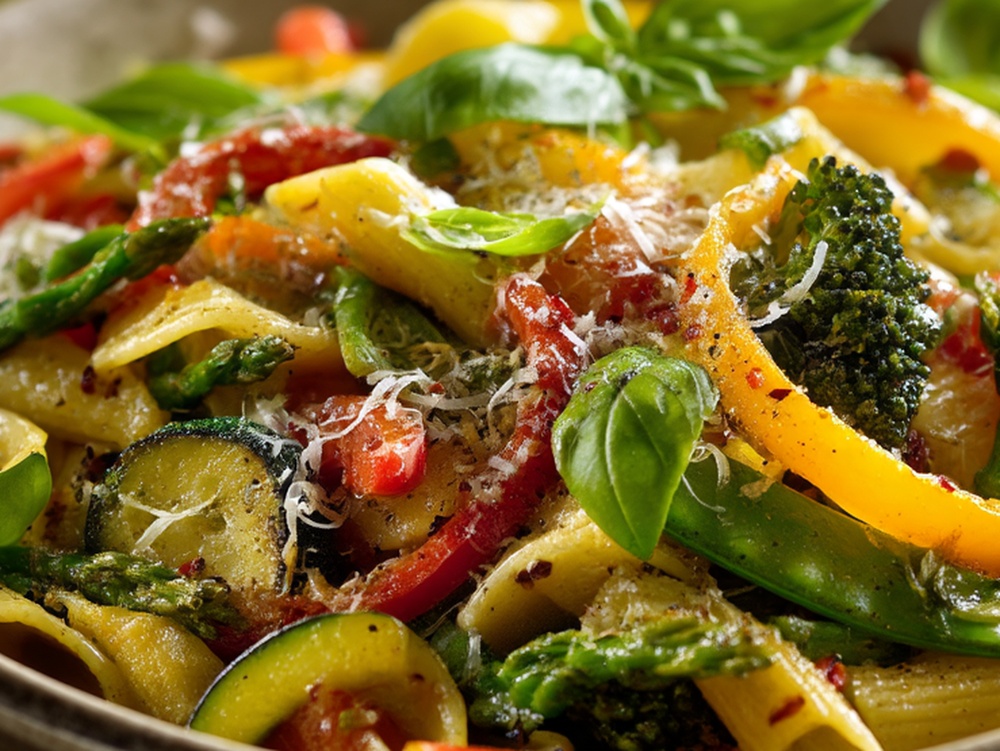
Divide the pasta primavera among serving bowls and top with fresh basil leaves and grated Parmesan cheese. A drizzle of quality extra virgin olive oil on top adds an elegant finishing touch.
Serve immediately while the pasta is still hot and the vegetables are at their most vibrant.
Tips for Variations or Side Dishes
You can easily adapt this recipe based on what’s in season or your preferences. Cherry tomatoes added in the final minute provide bursts of sweetness, while fresh asparagus offers a sophisticated touch during spring months.
For a protein boost, add 3-4 oz of grilled chicken, shrimp, or white beans to make it heartier. Sun-dried tomatoes contribute intense flavor complexity, and a splash of white wine adds sophistication to the sauce.
Pair pasta primavera with a crisp white wine like Pinot Grigio or Sauvignon Blanc. A simple green salad with lemon vinaigrette complements the meal perfectly, adding freshness and acidity. Garlic bread or crusty Italian bread works wonderfully for soaking up any remaining sauce.
Serving Suggestions
Pasta primavera is best served immediately after preparation while the vegetables retain their vibrant colors and crisp texture. Present it family-style in a large platter for casual gatherings, or plate individually for a more formal presentation.
Top each serving with generous amounts of fresh basil and freshly grated Parmesan cheese, allowing each guest to customize their portion. A final grind of black pepper and a small drizzle of excellent olive oil elevates the dish to something special.
This dish works beautifully as a main course for lunch or dinner, or as an elegant side dish alongside grilled fish or lean protein. It’s equally wonderful served at room temperature as a pasta salad the next day, making it excellent for meal prep.
FAQ
1. Can I use frozen vegetables instead of fresh ones?
Yes, frozen vegetables work well for this recipe. However, thaw them completely and drain any excess moisture before cooking to prevent them from releasing water into your sauce. Add them a minute or two after the fresh garlic to ensure they warm through without becoming mushy.
2. How should I store leftovers?
Store any leftover pasta primavera in an airtight container in the refrigerator for up to three days. Reheat gently in a skillet over low heat with a splash of water or broth to restore creaminess, or serve it cold as a refreshing pasta salad.
3. What if I don’t have vegetable broth?
You can substitute with chicken broth, or simply use reserved pasta cooking water, which adds starch that naturally creates a silky sauce. Even plain water works in a pinch, though broth adds more depth of flavor.
4. Is pasta primavera gluten-free?
To make this dish gluten-free, simply substitute regular pasta with gluten-free pasta and cook according to package directions. The rest of the recipe remains unchanged, and most gluten-free pastas have improved significantly in quality and taste over recent years.
5. Can I make this recipe vegan?
Absolutely! Skip the Parmesan cheese or replace it with nutritional yeast for a cheesy flavor without dairy. The rest of the recipe is naturally vegan-friendly, making this an excellent plant-based dinner option.